

Index
- Is it worth dyeing fabrics at home? The answer depends on your budget.
- Home Fabric Dyeing Cost: How Much You Really Spend
- How to Dye Cotton in the Washing Machine: The Most Affordable Method
- Refreshing faded clothes: Dyeing versus buying new
- Natural vs. Synthetic Dyes: Cost Efficiency
- Durability and maintenance: the true ROI of dyeing
- Environmental impact and resource efficiency
- Conclusion
- Frequently Asked Questions
Last updated: August 31, 2026
Is it worth dyeing fabrics at home? The answer depends on your budget.
The European textile dye market is experiencing steady growth, with a CAGR of over 3% from 2025 to 2030, according to Mordor Intelligence's analysis of the European textile dye market. But the real question is simpler: is dyeing fabrics at home really worth it , or is it just a passing fad among DIY enthusiasts?
Dyeing a faded garment can cost between €5 and €15 in materials, while a similar new garment could cost double or triple that. However, the actual calculation is more complex. You need to consider the cost of the dye, the accessories, the fixative, the energy to heat the water, and the value of your time. In this guide by Aybel , we analyze the real numbers behind home fabric dyeing to understand when it's really worth it.
Home Fabric Dyeing Cost: How Much You Really Spend
Many people believe that dyeing a garment at home costs little more than buying the dye. This isn't the case.
Initial investment and costs per head
A quality fabric dye , like the one offered by Aybel, costs around 5 euros. A 10g bottle dyes up to 250g of fabric with a deep shade, or up to 1kg with a more subtle shade.
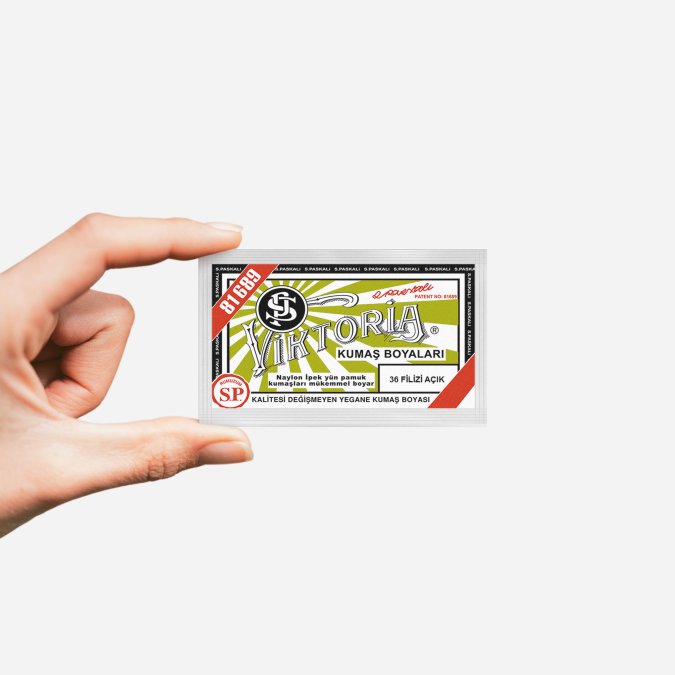
But dye alone isn't enough. Here's what to add to the calculation:
- Powder dye: 5-8 euros
- Fixing agent (Fiske fixing agent by Aybel): 4.99 euros
- Optional accessories (brushes, sponges): 7.95-14.95 euros
- Energy to heat water: 0.50-1.50 euros
- Water: 0.10-0.30 euros
For a single cotton garment dyed in the washing machine, the gross material cost is between 10 and 15 euros. The advantage becomes clear when you dye multiple garments in the same batch: the cost is divided by four, dropping to about 3-4 euros per garment.
Hidden costs that many people ignore
Fixative isn't optional. Many people skip this step to save money, but the result is a garment that fades after the first few washes. Aybel's fixative costs €4.99 and guarantees long-lasting hold. Without it, you'll waste the dye.
The value of your time. Hand-dyeing a garment requires 40-60 minutes of active labor. If you value your time at €10 per hour, add €7-10 to the total cost for the manual method.
Failures. Not every attempt works. Expect at least a 15-20% loss on your initial attempts.
Additional hot water. A dye bath requires 20-30 liters of hot water, which costs between €1.50 and €3 to heat.
How to Dye Cotton in the Washing Machine: The Most Affordable Method
The washing machine method is the most convenient for those who want to save time and money.
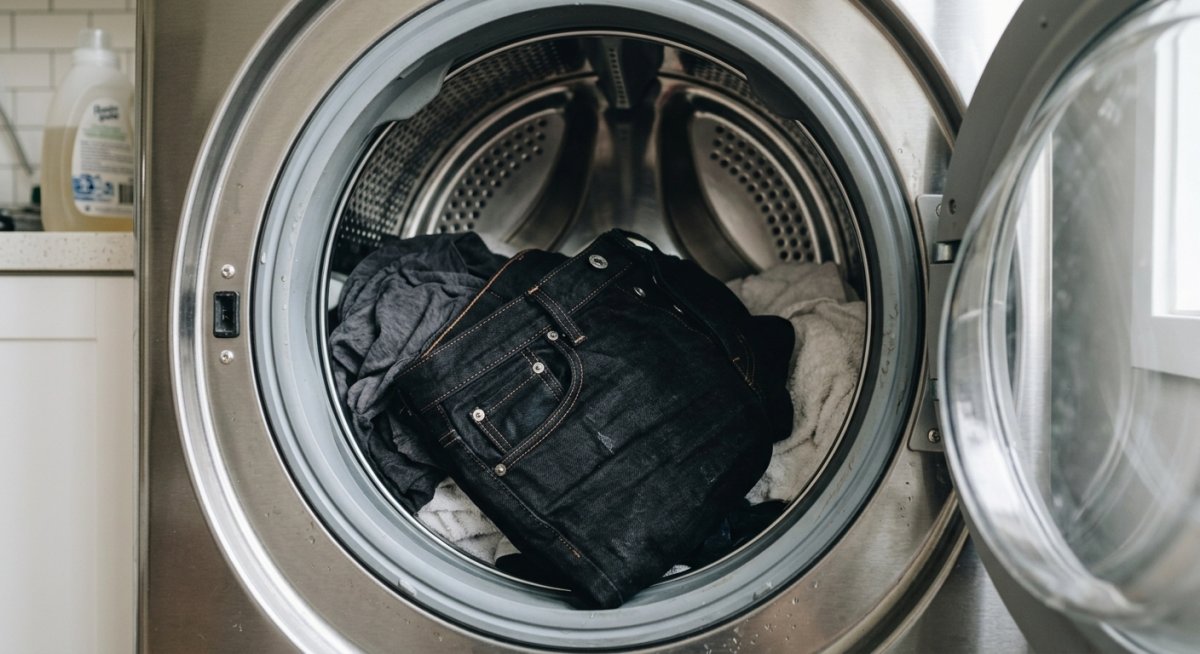
Correct preparation and dosage
Prepare the garment by rinsing it thoroughly in cold water to remove dirt and dust. A clean garment absorbs the dye more evenly.
Dye dosage: A 10g pack dyes up to 250g of fabric with a deep shade. If your garment weighs about 200g, half a pack will be sufficient. Dosage is critical: too little and the color will be pale; too much and you'll waste dye.
Load the garment into the washing machine alone or with other items of the same color. Set a 40-60 minute cycle at 40°C. Add the dye powder, previously dissolved in hot water, directly to the drum or detergent compartment.
Why Fixative Is Not Optional
After the dyeing cycle, the garment is still "open" to the color. Without fixation, the color will migrate out of the fibers during the first few washes.
Aybel's Fiske L (€4.99) is added to the final rinse. Use 100 ml of fixative for 1-1.5 kg of dry fabric. This step is inexpensive but pays off over time: a well-fixed garment holds its color for many washes, while one without fixative loses color after just a few washes.
Refreshing faded clothes: Dyeing versus buying new
When does it make sense to dye a faded garment and when is it better to buy a new one?
When is it a good idea to dye, when not?
It is worth dyeing if:
- The item has sentimental value or is of superior quality
- The head is still in good structural condition
- The item costs more than 25-30 euros new
- Do you want a specific color that you can't find on the market?
- The garment is made of pure natural material: cotton, linen, viscose, silk
It is not advisable to dye if:
- The item costs less than 10-15 euros new
- It's made of pure synthetic: the color doesn't take well
- It has mixed polyester seams that remain clear after dyeing.
- It's already very ruined
- You want a perfect result and you have no experience
A quality dyeable cotton garment costs on average 30-40 euros new. Dyeing an old one costs 12-18 euros in the washing machine. If you still like the garment and its construction is solid, the savings are obvious: 50% of the price of a new one.
If the garment is made of polyester or has mixed seams, the result will be disappointing. Synthetic fibers don't absorb chemical dyes the same way as natural fibers.
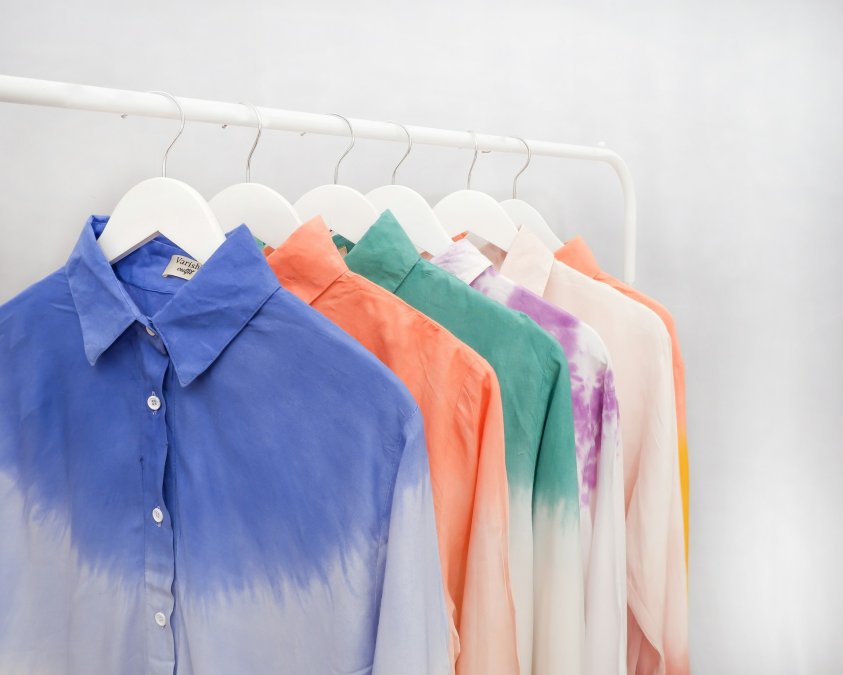
Natural vs. Synthetic Dyes: Cost Efficiency
Synthetic dyes cost less (5-8 euros per pack) and produce bright, uniform colors, the result is predictable and reproducible.
Natural dyes cost double or triple (15-25 euros), require more preparation time, and the final result is less predictable. However, the process is completely biodegradable and has a lower environmental impact.
For those who want to maximize cost-effectiveness, synthetic dyes win. For those who prioritize environmental impact, natural dyes make sense.
Durability and maintenance: the true ROI of dyeing
The real value of dyeing is not only in the initial cost, but in the durability of the result over time.
A properly dyed garment with fixative lasts for many washes before fading significantly. If the dyed garment lasts 2-3 years of regular use, the cost per year is 5-7.50 euros. A new garment of the same price (30-40 euros) lasts on average 1.5-2 years before fading. The cost per year is 15-25 euros.
Care matters. Wash dyed garments at temperatures no higher than 40°C, use gentle detergents, and avoid the dryer. These precautions extend the life of the color beyond further washes.
Environmental impact and resource efficiency
Dyeing at home has a lower environmental impact than buying new clothes, but only if done consciously.
A washing machine dye cycle uses 20-30 liters of water. A commercial production cycle for a new garment uses thousands of liters of water, depending on the fabric. Even considering the waste of dyed water, home dyeing is more efficient.
L energy consumed to heat 20 liters of water to 40°C is about 0.5-1.5 kilowatt hours. Industrial production of a new garment consumes 3-5 kilowatt hours. Once again, home dyeing wins.
According to analyses of the growing demand for eco-friendly dyes in the textile sector, the textile dye industry is witnessing a shift toward eco-friendly dyes. Dyeing old clothes instead of buying new ones directly reduces the amount of textiles that end up in landfills.
The final calculation: dyeing a garment at home produces 0.5-1 kilogram of CO2 equivalent. Producing a new garment produces 5-10 kilograms of CO2 equivalent. If the dyed garment lasts 2-3 years, the emissions savings are significant.
According to Mordor Intelligence research on the European textile dye market share, Germany, Italy, and France account for more than half of the regional demand for textile dyes, leveraging their premium positioning to address rising sustainability costs.
Conclusion
Is it worth dyeing fabrics at home? Yes, if you do it consciously. No, if you think it's a cheap shortcut without considering the hidden costs.
The real savings emerge when:
- Dye multiple garments in the same bath (cost per garment drops to 3-4 euros)
- Use the washing machine method
- Choose pure natural fabrics
- Include the fixative in the calculation
- You wear the dyed garment for at least 2-3 years
With Aybel, you have access to professional-quality dyes , reliable fixatives, and specialized accessories. The Aybel product range for home fabric dyeing includes 350-gram powder packs (€5-€8), Fiske fixative (€4.99), and accessories like brushes and sponges. Start with a single cotton item in the washing machine: the total cost will be €12-€15. If you're happy with the results, you've mastered the most economical method.
The true ROI of dyeing isn't in the first item, but in the subsequent ones. After the first three or four dyed items, the cost per item plummets because you've already invested in accessories. At that point, dyeing really pays off.
Frequently Asked Questions
Q: How much does it cost to dye a garment compared to buying a new one?
A: A package of home fabric dye costs about €5 and dyes up to 600 grams of fabric with a rich hue. Adding fixative (about €5), the total cost per garment is about €10. Considering that a new T-shirt costs €20-40, dyeing is cost-effective. However, if the garment has structural defects or is made of 100% synthetic fibers, buying new may be more cost-effective.
Q: How can I dye cotton in the washing machine without ruining my clothes?
A: The washing machine method is the simplest and most convenient. Prepare the wet garment, pour the dye powder into the fabric softener compartment, set the cycle to 40°C (104°F) for 40 minutes. After rinsing, apply fixative on the last cycle to ensure long-lasting colorfastness. This method requires less supervision than hand dyeing and uses less water than traditional methods.
Q: Are natural dyes more affordable than synthetic ones?
A: No. Natural dyes offer unique pastel colors and are biodegradable, but the process is artisanal and difficult to industrialize. Reproducing the same color on a large scale is complicated and expensive. Synthetic dyes are easily reproducible, inexpensive (about €5 per bottle), and guarantee consistent results. For home dyeing, synthetic dyes offer the best cost-effectiveness.
Q: How long do the colors obtained with home dye last?
A: With the right fixative, colors stay vibrant for many washes. Durability depends on the type of fiber: cotton, wool, and silk hold color better than synthetic fabrics. Proper care (washing at low temperatures, drying out of direct sunlight) significantly extends the life of a dyed garment.